
World Accord
Cultivating Communities That Thrive
RESEARCH & PUBLICATIONS
December 2, 2025
Isabelle Hachette
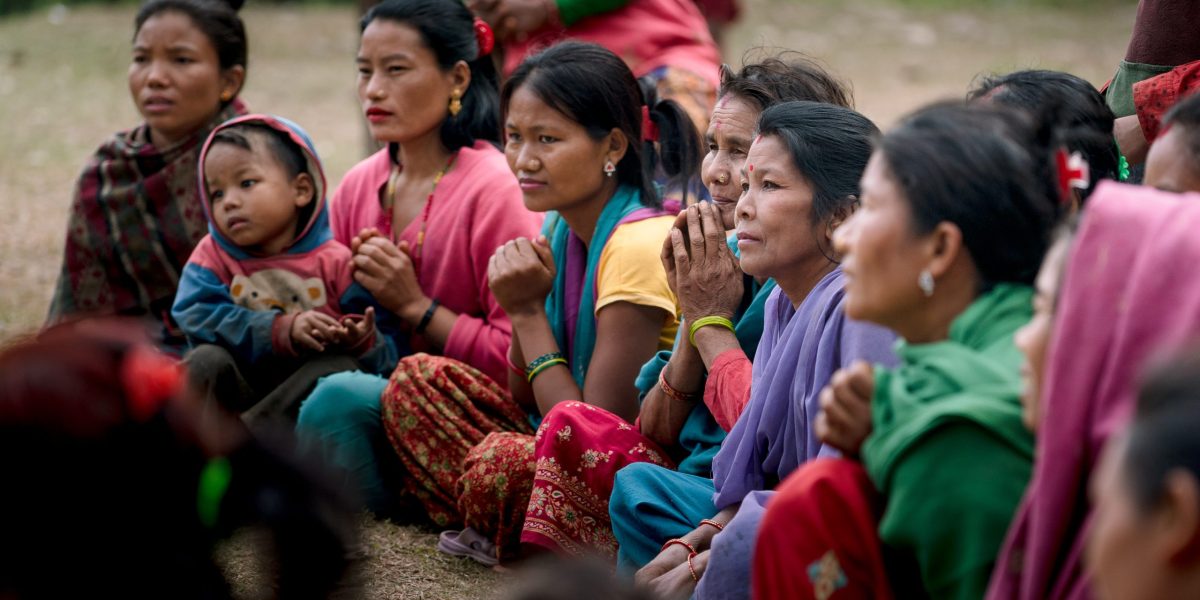
I’ve been feeling very heavy-hearted lately. Not just because the news is grim — wars, climate disasters, economic shocks — but because I keep witnessing immense need at one end of the world, and shrinking compassion at the other. It’s as though someone turned down the volume on global solidarity[1], just when our shared humanity demands we speak louder and resist strategically[2].
In Ottawa this month, the government announced a $2.7 billion cut to international assistance over the coming years[3]. That means less funding for global health, fewer resources for communities rebuilding after disasters, less support for human rights defenders, small-scale farmers, gender activists and youth-led initiatives. For many of our partners around the world — in Central America, Africa or Asia — this isn’t an abstract budget line. It’s their water, their land, their clinics, their schools, their hope.
This retreat by donor countries is not isolated. According to Oxfam International, G7 countries plan to cut global aid by 28% by 2026 compared with 2024 — the largest drop in aid since the 1960s.[4]
Meanwhile, at the very top of the global economy, wealth is exploding. In 2024 alone, the world’s billionaires saw their combined wealth jump by US $2 trillion, the biggest annual surge since these records began[5]. More shockingly: since 2015, the richest 1% of people globally have added more than US $33.9 trillion to their wealth — an amount that could eliminate global poverty more than 22 times over[6].
In short — the rich get richer, while public support to those who have the least is being stripped away.
At the same time, the world is becoming more militarized. According to the Stockholm International Peace Research Institute (SIPRI), global military expenditure jumped to US $2.7 trillion in 2024 — its highest level ever[7]. Spending in all world regions went up, including a 17% increase in Europe alone[8].
What does that show us? That many governments are saying: now is not the time for solidarity, redistribution, climate justice, or community-led development. It’s time for fences, defense budgets, and armaments.
All of which makes civic spaces — places where people organize, protest, resist, demand rights — even more important. But they too are shrinking: fewer resources, less international aid, more risk. It’s as if governments are saying: we’re cutting connection, cutting support, cutting hope — and in place of global solidarity, we build weapons.
In such uncertain times, as someone working with communities across Honduras, El Salvador, Guatemala, Nepal and Ethiopia, I believe the only just choice is to refuse to give up on solidarity. Not as charity, but as justice. Not as outsiders doing good, but as global citizens standing together.
We must shift away from a world where power flows from north to south, from rich to poor — to a world where communities lead, define, and own their futures. Because ultimately, when we help others thrive, we are all safer, healthier, and more human.
[1] François Audet, Stéphanie Tchiombiano, Jean-François Corty, L’aide internationale menacée : quelles conséquences, quelles réponses, quelles recomopositions ? Alternatives humanitaires : Novembre 2025, Numéro 30 : https://www.alternatives-humanitaires.org/fr/parution/numero-30-laide-en-danger-apres-le-choc-de-2025-les-consequences-et-la-riposte/?utm_source=brevo&utm_campaign=NOUVEAU%20NUMRO%20%20%20Laide%20internationale%20menace%20%20quelles%20consquences%20quelles%20rponses%20quelles%20recompositions%20&utm_medium=email
[2] Beth Bartlett, Of Resistance and Risk, Community and Kin: A Thanksgiving Reflection, Feminism and Religion, November 27, 2025 https://feminismandreligion.com/2025/11/27/of-resistance-and-risk-community-and-kin-a-thanksgiving-reflection-by-beth-bartlett/
[3] John Longhurst, Ottawa’s $2.7bn in aid cuts spark concern among aid groups, Canadian Affairs, November 13, 2025: https://www.canadianaffairs.news/2025/11/13/ottawas-2-7bn-in-aid-cuts-spark-concern-among-aid-groups/
[4] Oxfam International, Biggest-ever aid cut by G7 members a death sentence for millions of people, says Oxfam, Published 11th June 2025, https://www.oxfam.org/en/press-releases/biggest-ever-aid-cut-g7-members-death-sentence-millions-people-says-oxfam
[5] Oxfam International, Billionaire wealth surges by $2 trillion in 2024, three times faster than the year before, while the number of people living in poverty has barely changed since 1990, Published: 20th January 2025, https://www.oxfam.org/en/press-releases/billionaire-wealth-surges-2-trillion-2024-three-times-faster-year-while-number
[6] Oxfam International, New wealth of top 1% surges by over $33.9 trillion since 2015 – enough to end poverty 22 times over, as Oxfam warns global development “abysmally off track” ahead of crunch talks, Published: 25th June 2025, https://www.oxfam.org/en/press-releases/new-wealth-top-1-surges-over-339-trillion-2015-enough-end-poverty-22-times-over
[7] Stockholm International Peace Research Institute, 3. Military expenditure, SIPRI Yearbook 2025, https://www.sipri.org/yearbook/2025/03
[8] Stockholm International Peace Research Institute, Unprecedented rise in global military expenditure as European and Middle East spending surges, 28 April 2025, https://www.sipri.org/media/press-release/2025/unprecedented-rise-global-military-expenditure-european-and-middle-east-spending-surges