Standing with Farmers in Central America: Climate, Courage, and Hope
April 14, 2025
Isabelle Hachette
Last month in El Salvador and Honduras, I witnessed both the deep challenges facing smallholder farmers and the extraordinary resilience that keeps them going. Across both countries, one thing became clear: solutions must be practical, locally rooted, and built through strong partnerships.
In the Fields – El Salvador’s Farmers
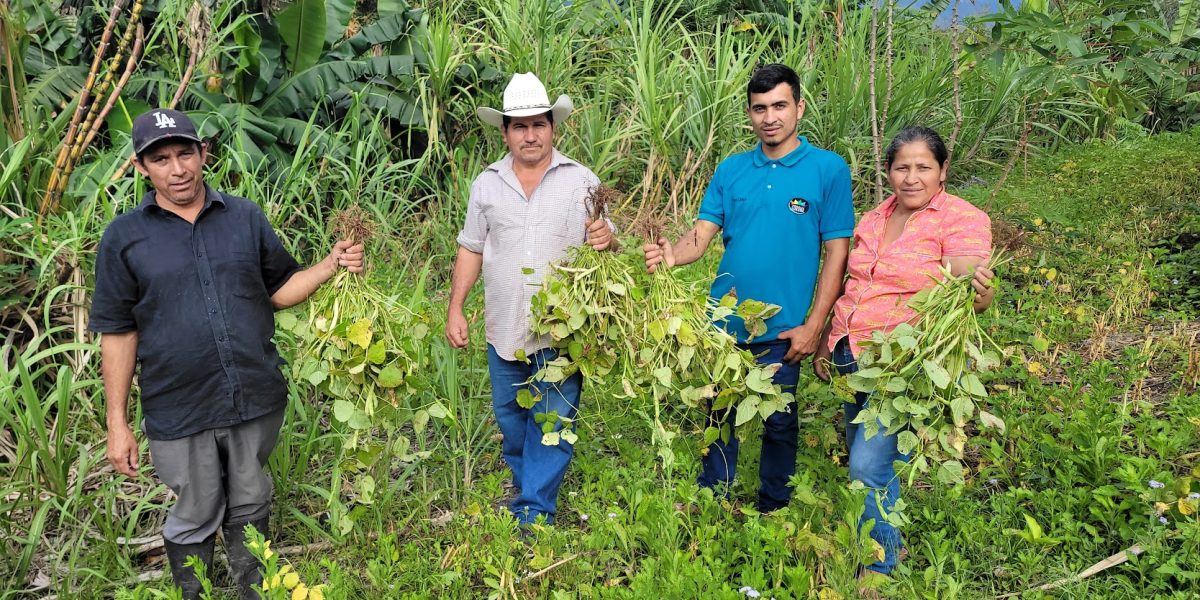
We first spent time with farmers in El Salvador.
Eighteen years ago, a farmers’ group supported by ADCASMUS had 18 members. Today, only seven remain.
We met four of them — all elderly men. Agriculture has become too physically demanding, and increasingly uncertain. Women tend to remain closer to home, managing households and caregiving responsibilities.
One farmer captured a profound generational shift: “Young people now only want to work in the maquilas ( foreign-owned manufacturing plants). It is too difficult to cultivate the land.”
Climate Uncertainty
Emilio Dubón Rivera shared: “Last May, it rained so much. Then a drought followed. My production dropped from 40 quintales of sorghum to just 15.”
Rodolfo Antonio added: “The seeds we have are not adapted to our country. Every year we lose more crops. Sometimes we wait until late June or July for rain. Before, we harvested in April.”
The rhythms of agriculture — once predictable — are no longer reliable.
Rising Costs, Shrinking Margins
Carlos Manuel explained: “I have learned many techniques over the years. But now inputs are so expensive, and we do not produce our own seeds. This creates more poverty for farmers.”
Adapting to Survive
José Ángel Delgado has diversified his activities: “I raise animals as well as produce maize and beans.” But even adaptation has limits: “The rains now come three to four months later. When they come, they fall in torrents. There is no early warning system. We do not know how to prepare.”
In Honduras – Eggs, Nutrition, and Local Leadership
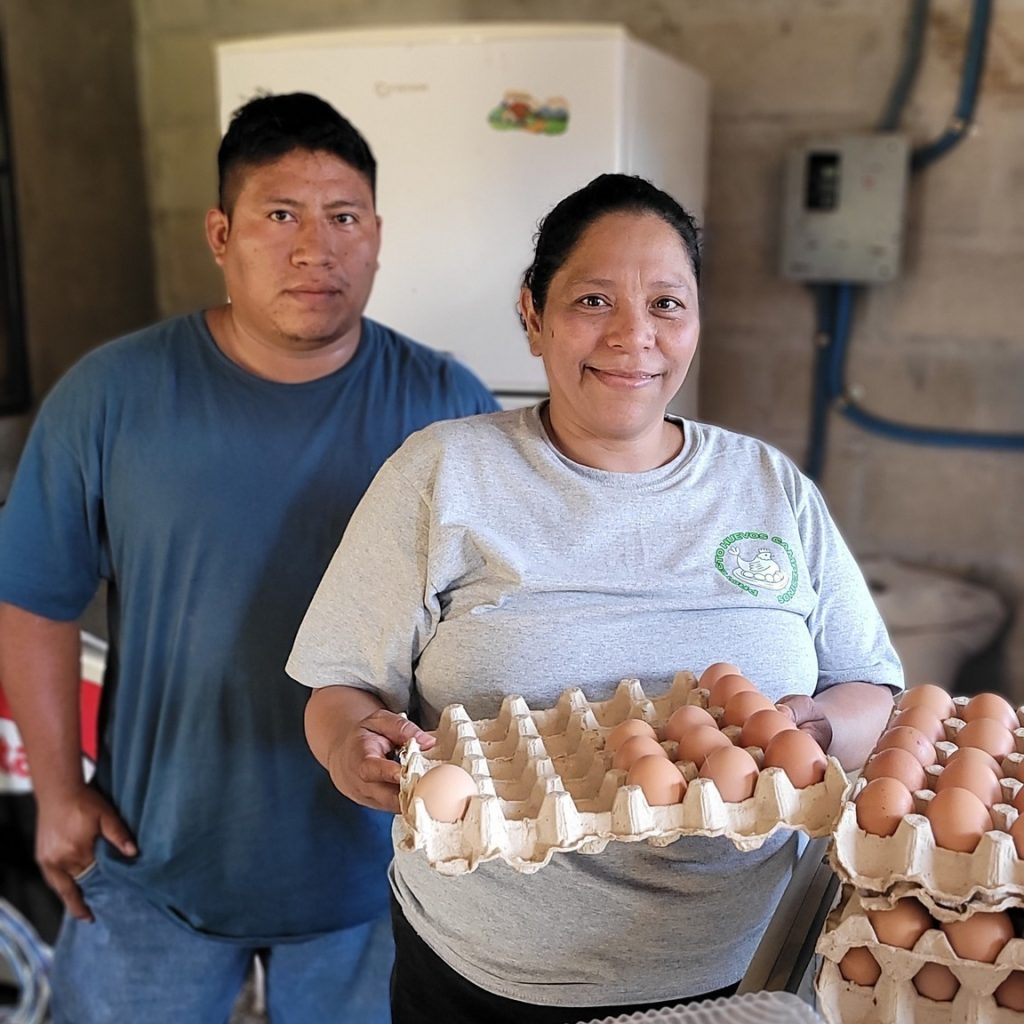
In Honduras, we met with a local mayor who highlighted something simple yet powerful: the importance of eggs in the daily breakfasts of school children.
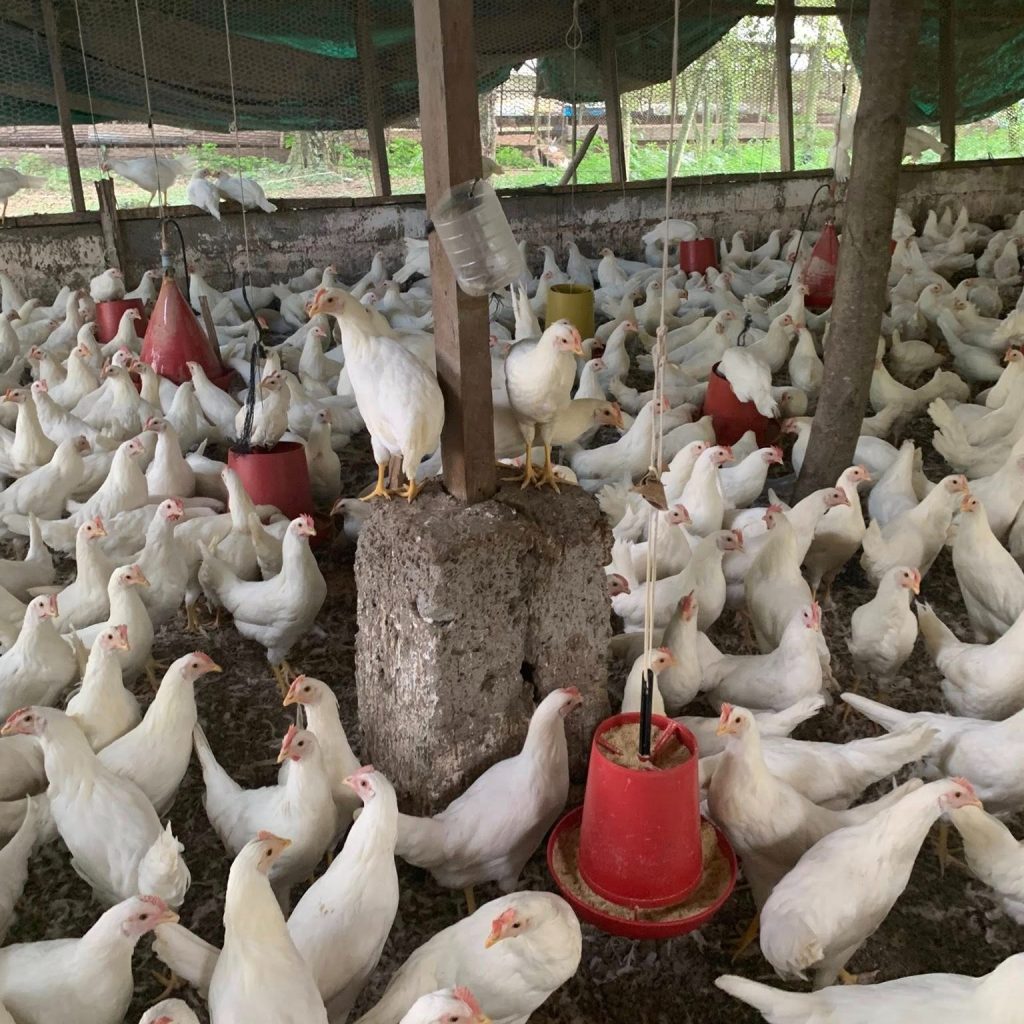
Eggs are not just food. They are protein, nutrition, and opportunity — especially for growing children. This reinforced the relevance of the laying hens initiative, not only as a livelihood activity, but as a direct contribution to community well-being.
In both countries we had meetings at the Canadian Embassies, where we shared the work of our partners and discussed the laying hens initiative.
These conversations are more than formalities — they are essential. They help align visions, strengthen relationships, and ensure that key stakeholders understand and support the direction of this project.
Women at the Heart of the Initiative
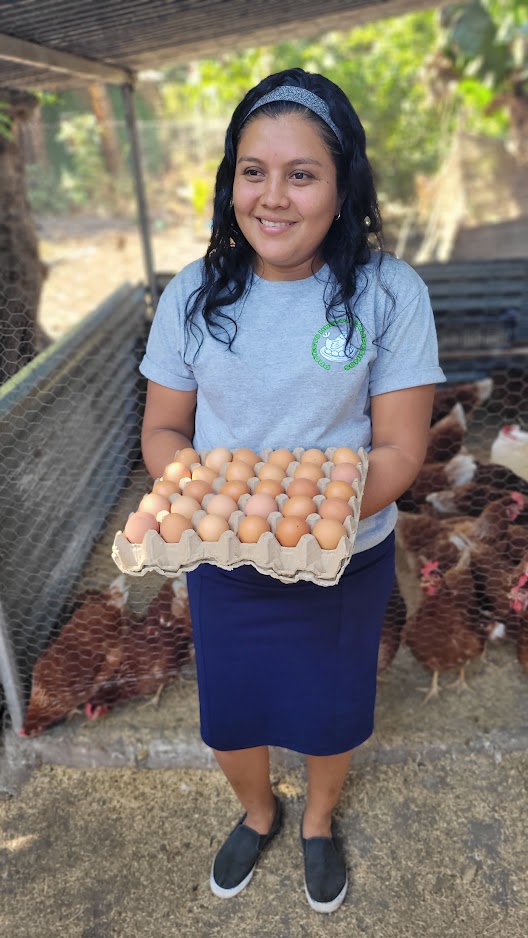
In both countries, two women entrepreneurs will play a central role in the project by supplying laying hens to participating families.
During the visit, something meaningful unfolded. Members of the Egg Farmers of Ontario (EFO) delegation — including women who themselves raise laying hens — connected immediately with these local women.
They exchanged practical knowledge: vaccination calendars, poultry care techniques, and management practices. But beyond the technical discussions, something deeper emerged — a sense of solidarity. A form of sorority took shape. A recognition of shared experience across borders.
This kind of connection cannot be planned, but it can transform a project.
Why this Laying Hens Project Matters
Across both countries, the laying hens initiative represents more than an income-generating activity.
It is:
A buffer against climate shocks
A source of daily nutrition
An opportunity for women’s economic participation
A way to keep rural livelihoods viable
For some farmers, it could mean being able to invest in additional animals or land. For communities, it could mean better nutrition for children.
Looking Ahead – Beyond Implementation
This visit was crucial.
It allowed us to:
Build a shared vision among all stakeholders
Strengthen partnerships across countries and sectors
Ground the project in the lived realities of farmers and communities
The next step will be to evaluate these partnerships — not only through traditional output indicators, but also by looking at the strength of collaboration, trust, and cohesion among stakeholders.
Because ultimately, the success of this project will not depend only on the number of hens distributed or eggs produced.
It will depend on the strength of the relationships behind it.